Home > Technology
Technology
ADDitive manufacturing meets CATalysis
Our solution ensures easy integration in products, production processes or air purification equipment, low maintenance and a substantial reduction of the total cost of ownership.
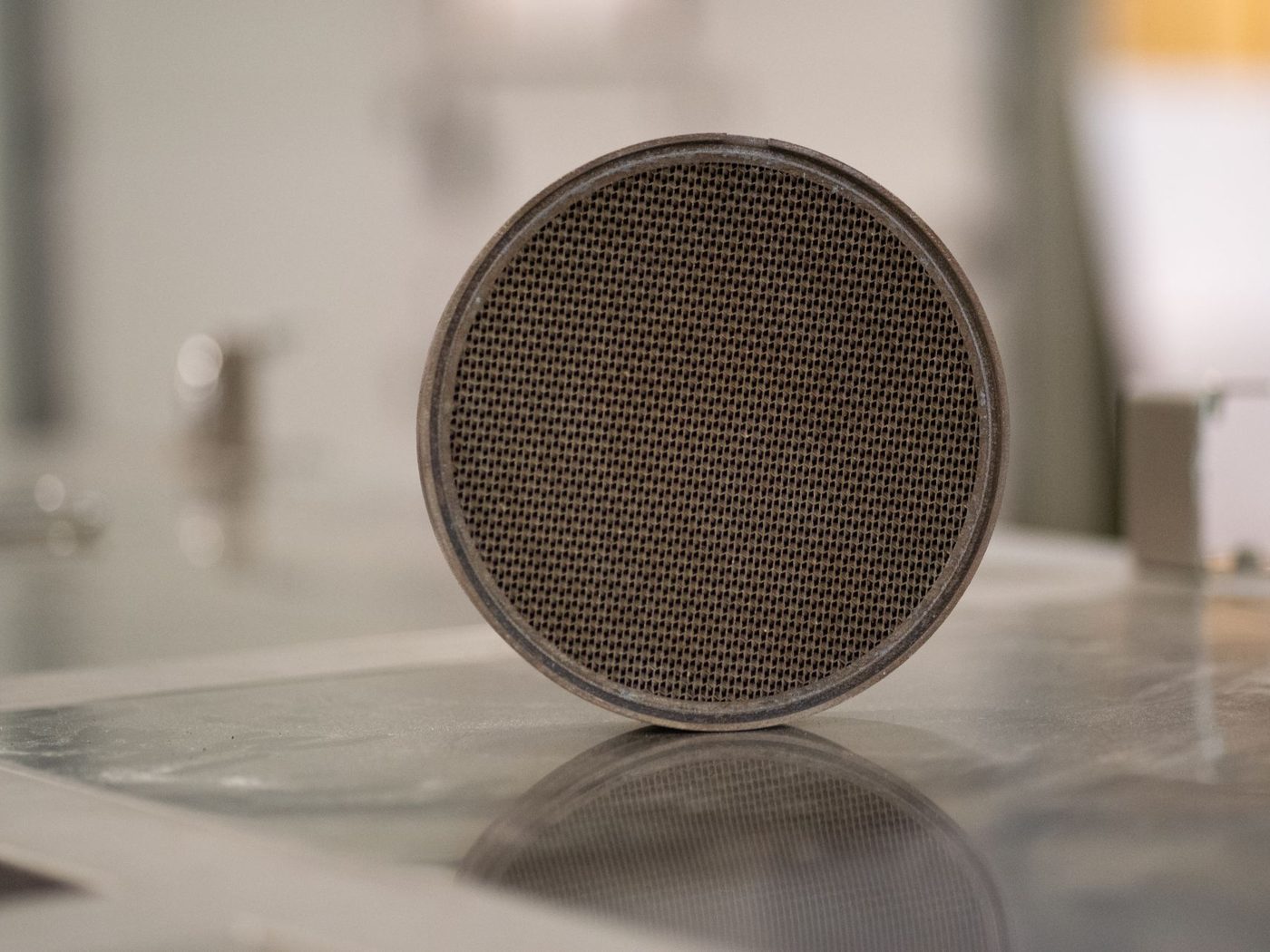
Two technologies
One catalyst
Our name is our method. The combination ensures maximum process improvement.
ADDitive
3D metal printing
A free-form reactor design, printed in metals of high thermal conductivity.
CATalysis
Oxidation catalysis
Performant oxidation catalysts for the best oxidation process possible.
How it works
From exhaust air to clean air, in six steps
What a catalyst does, why the usual ones fall short, and what AddCat's printed metal disc does differently.
Step 1, what goes in
The molecules behind smoke and odour
Industrial exhaust air carries volatile organic compounds, VOCs. They cause the smell and the haze, and some of them are harmful. Typical groups are
Volatile aminesPhenols and indolesVolatile fatty acidsSulphur compounds
Step 2, what a catalyst does
Breaking them down at a lower temperature
A catalyst oxidises these molecules into harmless compounds such as carbon dioxide and water. Burning them without one takes around 1000 °C. With AddCat’s catalyst, 300 to 450 °C is enough, so the process takes far less energy.
1000 °C
burning, without a catalyst
300 to 450 °C
with the catalyst
Step 3, why ordinary catalysts fall short
Part of the air never meets the catalyst
In a bed of catalyst pellets, part of the air slips along the reactor wall without touching anything. A ceramic block with straight channels, like the one in a car, lets the middle of each channel run straight through, and it conducts heat poorly, so parts of it stay too cold to work.
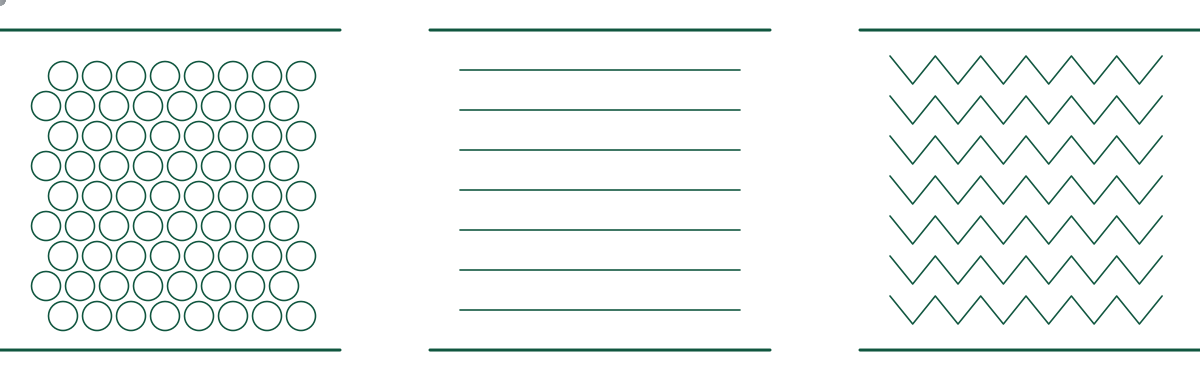
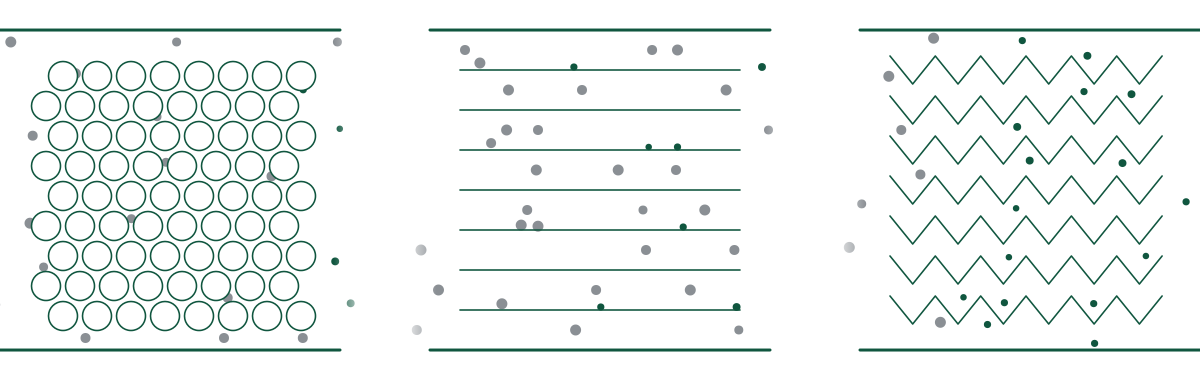
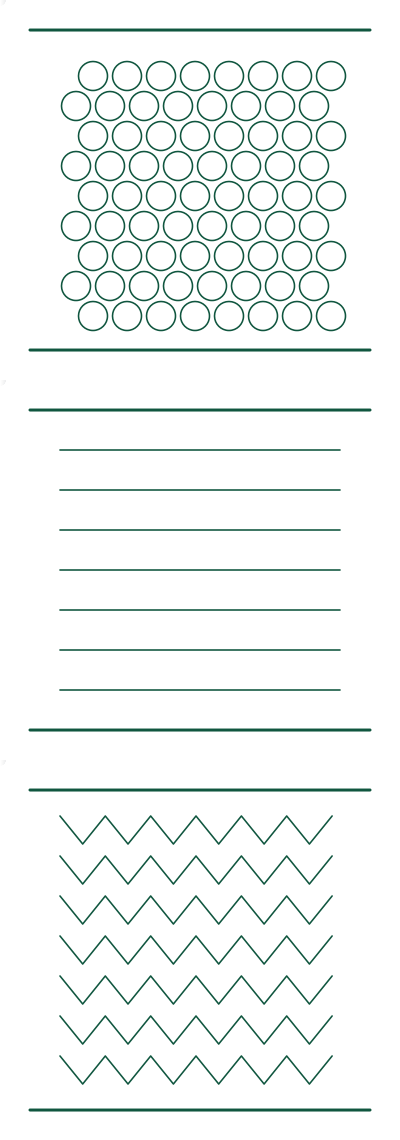
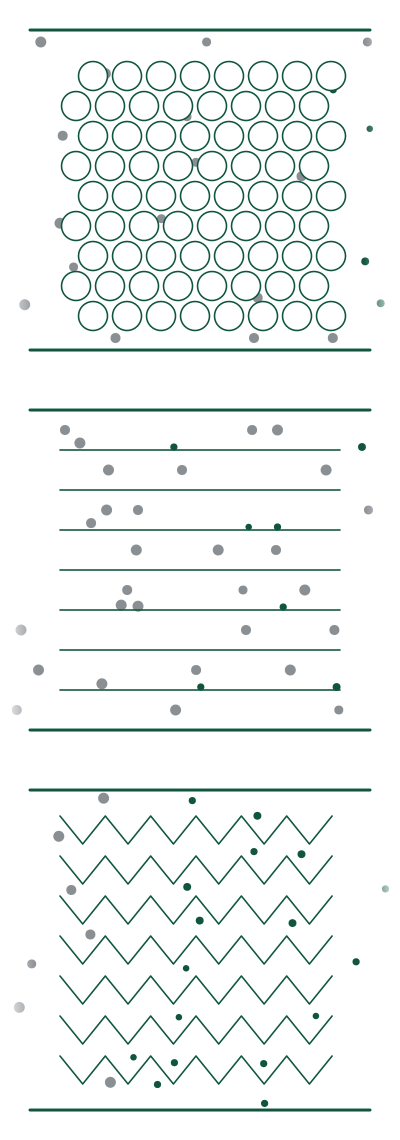
A bed of pellets
Part of the air slips along the wall without touching anything.
Straight channels
The middle of each channel runs straight through.
The AddCat lattice
Every molecule meets the catalyst on its way through.
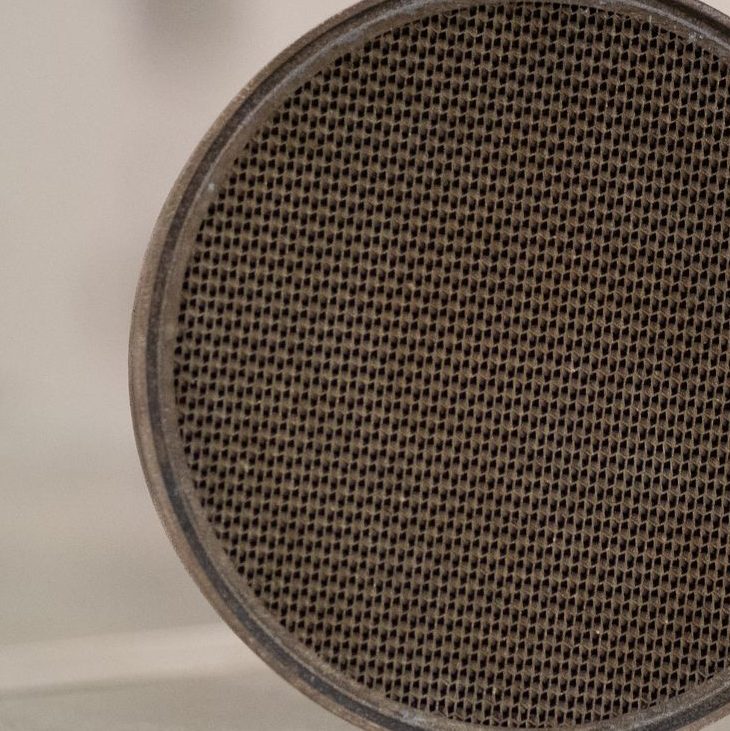
Step 4, the AddCat disc
A lattice printed in metal
AddCat prints the catalyst carrier in metal, layer by layer, in a shape no other method can make. Its channels wind through the disc and are part of the wall, so the air has no way around the catalyst. The metal spreads the heat evenly, without cold or hot spots, and the open lattice lets large volumes of air through with little resistance.
Step 5, heat comes back
The clean air warms the air coming in
The cleaned air leaves the reactor hot. On its way out it flows along the cold air coming in and warms it up through the wall between them, so the heat is used again instead of blown away.
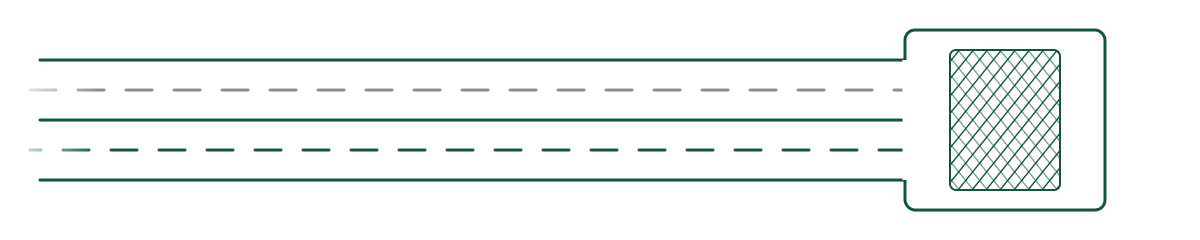
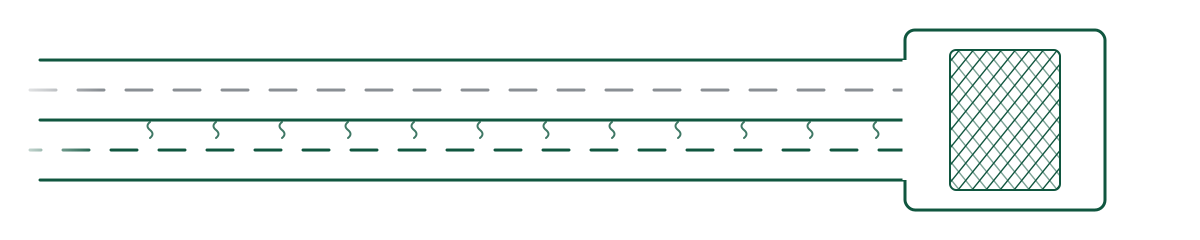
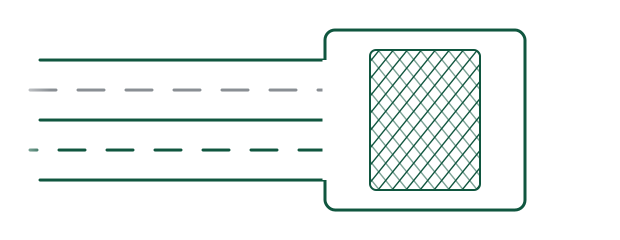
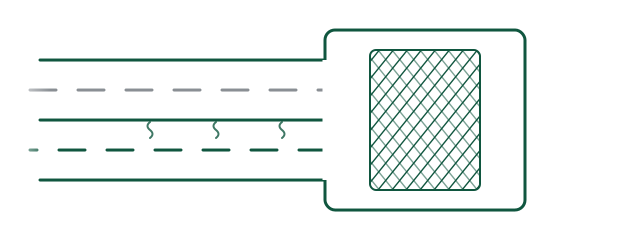
Above, cold air in. Below, clean hot air out.
The heat passes the wall between the two.
The reactor
with the printed discs
Step 6, discs you swap
The active part comes out in one piece
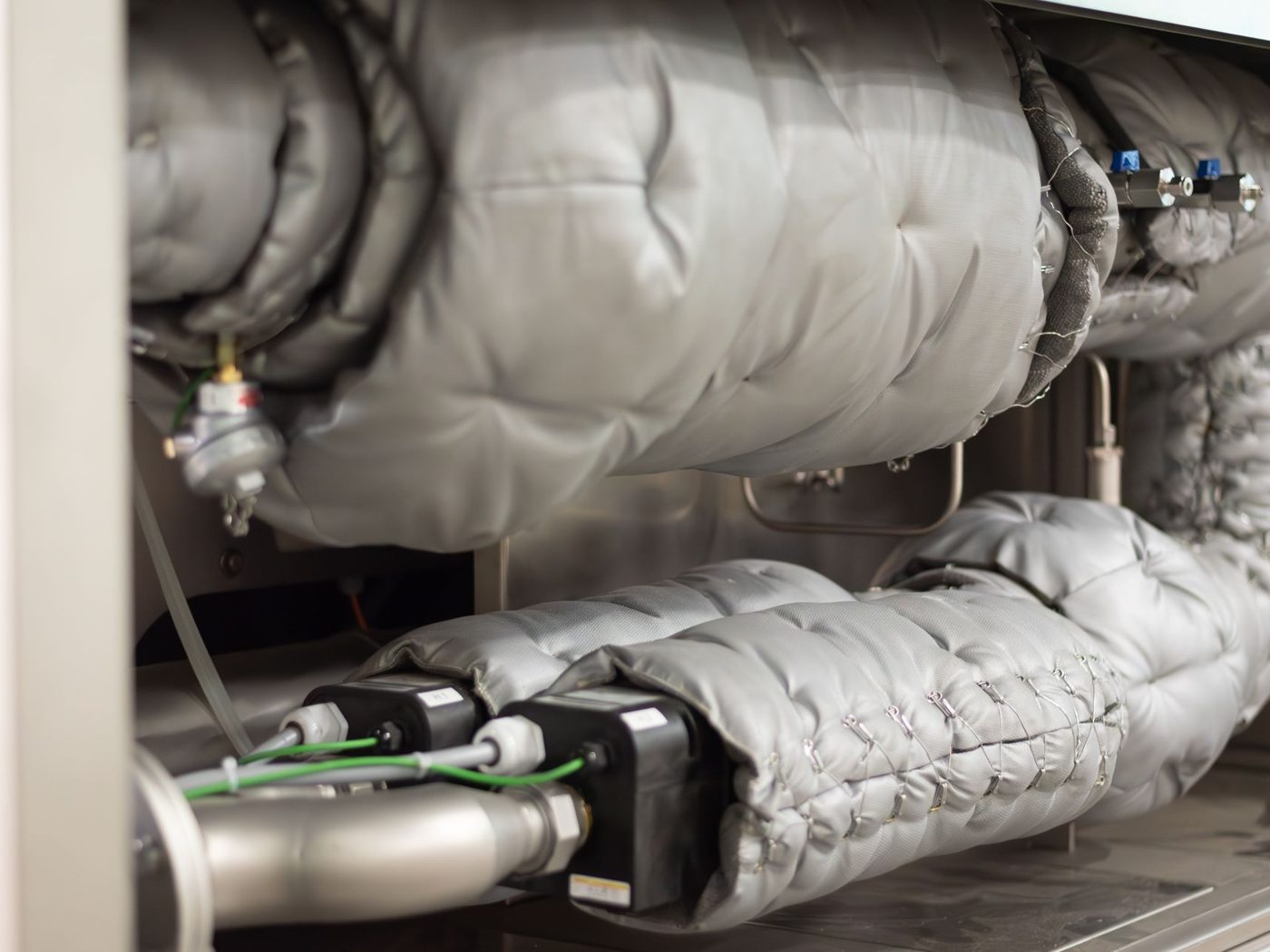
The printed discs are the active part of the reactor. When a set has done its work, it comes out and a fresh set goes in, so maintenance takes little time.
What it brings
Built into what you already run
Easy integration
In products, production processes or air purification equipment.
Higher emission reduction
The combination of additive manufacturing and catalysis ensures maximum process improvement.
Low maintenance
Our solution ensures low maintenance.
Lower total costs of ownership
A substantial reduction of Total Costs of Ownership, with a maximum cost-efficient catalyst.
Contact
Do you have an emission challenge?
Tell us about your process. We will get back to you as soon as possible.